A raised eyebrow can say plenty. Whether you want that movement changed is up to you. If you're considering it, “a little something” isn't much of an explanation. Ask what would change when you laugh, frown or look surprised.
What one approval actually covers
OnabotulinumtoxinA is the medical name of one botulinum toxin medicine. Its cosmetic FDA label covers temporary improvement of certain expression lines and neck bands in adults. As of October 2026, the approved uses in that label are:
- Moderate to severe lines between the eyebrows.
- Moderate to severe lines at the outer eye corners.
- Moderate to severe forehead lines.
- Moderate to severe platysma bands: vertical bands made by a neck muscle.
The same label reports unwanted effects, including eyelid droop for the between-brow use and headache or brow droop for the forehead use. Approval doesn't mean the result will be one you want.
This is one medicine's label. For a different medicine, ask to see its own patient information and approved uses.
A moving face is the starting point
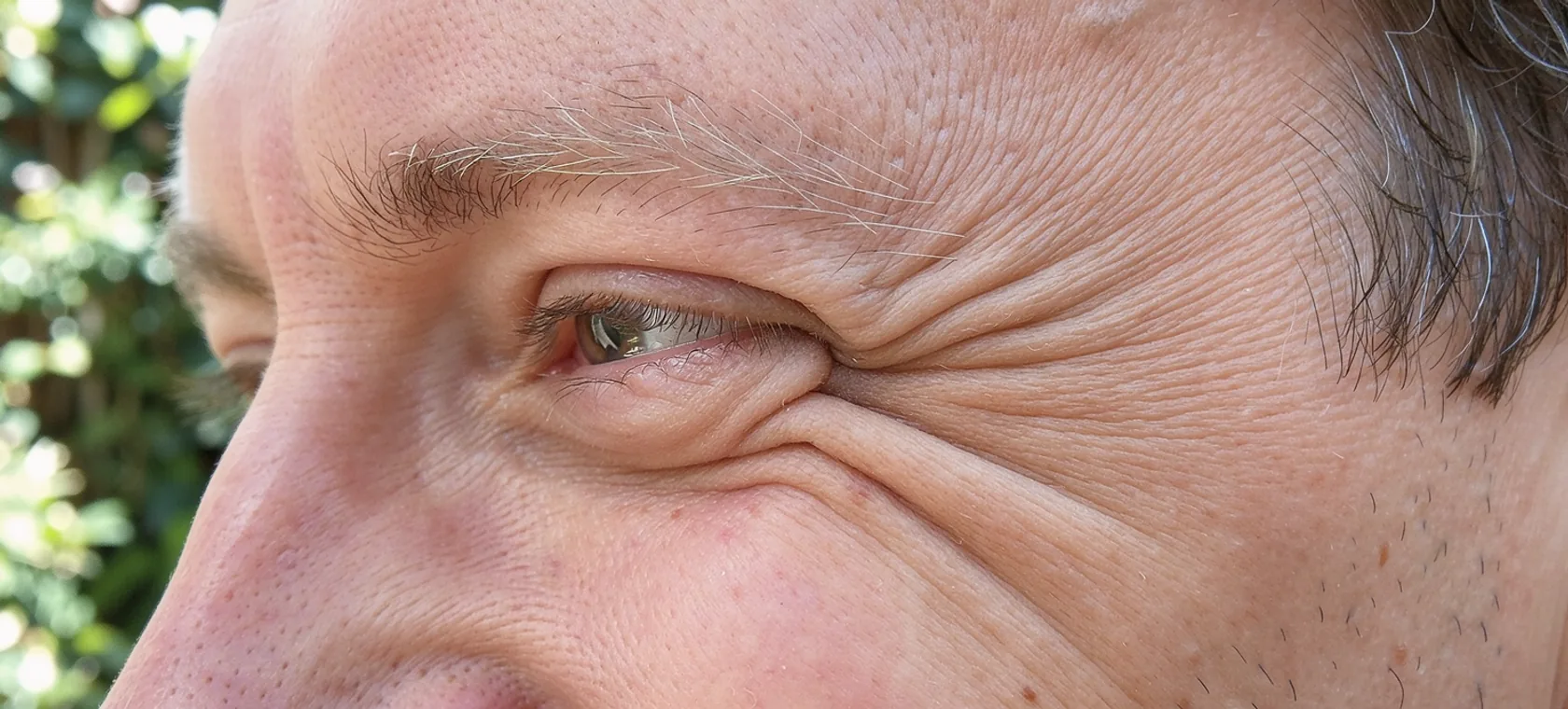
Botulinum toxin keeps treated muscles from tightening as much. It doesn't add fullness like a filler. Words such as “relax” or “refresh” can sound pleasant without telling you which movement would change.
You can describe your expression in your own words. Ask what the proposal can and can't change, then take time to think. Keeping your expression as it is remains an option.
Take the warning seriously
Approved botulinum toxins carry a boxed warning, FDA's most serious warning on a medicine's label. The toxin's effect can spread beyond the treated area, causing serious or life-threatening problems, including trouble swallowing or breathing.
After an injection, blurry or double vision, eyelid droop, muscle weakness or trouble swallowing or breathing need emergency medical help immediately. Symptoms can begin hours to weeks later. Don't wait for an online answer.
The label also says the medicine must not be used with an infection at the proposed injection site or a known allergy to the medicine or its ingredients. It separately warns about conditions affecting nerves and muscles, and medicines that can interact. These are questions for the clinician assessing you. Don't change medicines based on this page.
You can take the information home
Request the medicine's full name and patient information. Ask who will assess you, who will inject you and who can help afterward. There's no need to settle everything in that conversation.
The provider checks cover those practical details. If the product's source is unclear, read the counterfeit-product section. You can leave an unanswered question unanswered by leaving the decision open.